In the realm of CNC aluminum milling, mastering effective techniques is crucial for achieving optimal results. According to John Smith, a renowned expert in CNC machining, "Precision is key; every detail matters in CNC aluminum milling." His insight underscores the importance of skill and attention to detail in this industry.
Many beginners struggle with the complexities of CNC aluminum milling. It's easy to make mistakes, especially without proper guidance. Factors such as tool selection, feed rates, and cutting speeds often confuse newcomers. This can lead to suboptimal outcomes, such as poor surface finishes or excessive tool wear.
Refining your approach requires practice and learning from experience. Engaging with experienced professionals can provide valuable knowledge. As you explore CNC aluminum milling, remember that each project presents unique challenges. Testing different strategies can lead to improved techniques over time. Embracing the learning process can lead to greater efficiency and success in your milling projects.
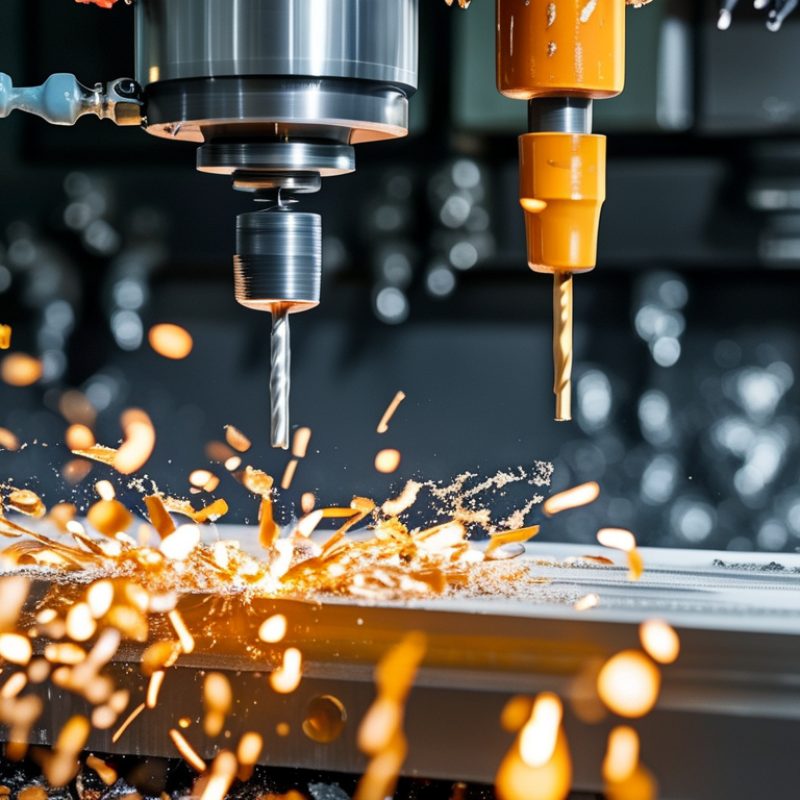
CNC milling aluminum is a precise technique that requires a good understanding of the basics. It involves using computer-controlled machines to shape aluminum into desired forms. Knowing the right settings and tools is vital for achieving high-quality results.
One essential tip is selecting the correct cutting tool. Carbide tools are preferable for aluminum due to their durability and ability to maintain sharp edges. Proper tool geometry can prevent tearing and improve the surface finish. Another important aspect is the cutting speed. Aluminum can handle higher speeds, but too much can cause overheating and tool wear.
Coolant usage deserves attention. Using proper coolant can reduce friction and heat buildup. It also prolongs the life of both the tool and the workpiece. Understanding the specific requirements of the aluminum you are machining can significantly influence your results. Regularly checking the setup and making necessary adjustments is crucial. Experience in CNC milling develops over time, often revealing areas for improvement. Embracing these aspects can elevate your proficiency in aluminum milling.
Choosing the right tools and equipment for aluminum milling is critical. The selection process starts with understanding the type of aluminum you’ll be working with. Different grades have distinct mechanical properties. Some may require specific cutting tools to achieve precision without excessive wear.
Tools like end mills are essential. Select those with high helix angles for optimal cutting. Coated tools can enhance durability. The right spindle speed matters too. Too fast can cause burning, while too slow reduces efficiency. Consider coolant options to maintain tool life and surface quality.
It’s also relevant to remember that not every tool works perfectly for every project. Testing various tools can yield surprising results. Observing the wear and performance over time helps refine your choices. Keep records of your setups and modifications. This reflection will improve future milling processes and lead to more successful outcomes.
Setting up your CNC machine for aluminum milling can greatly impact your project's success. Start by ensuring the machine is clean and free of debris. Regular maintenance helps keep the machine running efficiently. Inspect the tool holders for any signs of wear and tear. Even minor damage can affect accuracy.
Next, calibrate the machine properly. Check the alignment of the axes. Misalignment can lead to poor dimensional accuracy. Use a dial indicator for precise measurements. It's also essential to adjust the feed rate and spindle speed based on the type of aluminum you're working with. Different alloys require different settings for optimal cutting.
Lastly, consider the work environment. Stable temperatures can prevent expansion and contraction of materials. Vibration can also lead to inaccuracies. Using an appropriate cutting fluid will help reduce heat and improve tool life. Be prepared to tweak settings as you go. Each milling operation can present unique challenges. Experiment and analyze results to refine your setup continuously.
| Tip | Description | Recommended Tool | Speed (RPM) | Feed Rate (IPM) |
|---|---|---|---|---|
| Proper Tool Selection | Choose the right end mill based on the aluminum grade and desired finish. | Carbide End Mill | 8000 | 60 |
| Coolant Usage | Use coolant to reduce friction and heat during milling. | Water-Soluble Coolant | N/A | N/A |
| Machining Speed | Adjust spindle speed according to the tool diameter and material type. | High-Speed Steel (HSS) | 6000 | 50 |
| Tool Path Strategy | Optimize tool paths to minimize air cutting and enhance efficiency. | 3D Contour Toolpath | N/A | N/A |
| Regular Maintenance | Perform routine checks to ensure machinery is in optimal condition. | Maintenance Tools | N/A | N/A |
Aluminum milling has become essential in various industries due to its lightweight and strength properties. Proper techniques can significantly enhance precision. According to a report from the American Machinist, precision aluminum components can achieve tolerances of ±0.005 inches with the right setup. The key lies in selecting the optimal feed rate and cutting speed. A feed rate that is too high can lead to tool wear or breakage, while a low rate may reduce efficiency.
Tool selection is also critical. High-speed steel (HSS) tools often perform well under certain conditions. However, carbide tools generally provide better longevity and finish quality in aluminum milling. The Material Removal Rate (MRR) increases when using the right tools. A study by the National Institute of Standards and Technology reported that MRR can improve by 20% with proper tools and techniques.
Cooling methods are another aspect worth considering. Using coolant reduces heat during machining, which can affect the finish. Without proper cooling, workpieces may warp or become less precise. Not all milling operations require coolant, but evaluating the specific needs of each project is vital. Regularly reviewing these practices can help reduce mistakes in future projects. Adaptation and learning from past work are essential to master precision aluminum milling.
CNC aluminum milling presents unique challenges that require specific strategies to overcome. One major issue is tool wear. According to industry reports, tool life can decrease significantly when milling aluminum due to the material's softness. It’s crucial to choose the correct cutting speeds and feeds. Using a higher spindle speed can reduce heat buildup, extending tool life. Adjusting the feed rate can also minimize wear.
Another common challenge is achieving precision. Maintaining dimensional accuracy in aluminum milling is paramount. Deviating from specifications can lead to costly reworks. A well-calibrated CNC machine is essential. Regular maintenance schedules can prevent unexpected failures. It's advisable to routinely inspect and adjust the machine settings based on the specific aluminum alloy being processed. This attention to detail helps mitigate errors in the finished parts.
Tips for improving CNC milling include selecting the right coolant. Utilizing a good coolant can help dissipate heat and prevent part distortion. Experiment with different tools for specific applications. Some milling tools perform better with certain aluminum types. Understanding these relationships can help enhance overall milling performance.
: CNC milling is a technique that uses computer-controlled machines to shape aluminum precisely.
Choosing the right cutting tool prevents tearing and improves surface finish during milling.
Higher cutting speeds can create overheating, while proper speeds enhance efficiency.
Coolant reduces friction and heat buildup, extending tool life and improving outcomes.
Regular maintenance of the CNC machine is essential for optimal performance and accuracy.
Misalignment can lead to poor dimensional accuracy in the finished product.
Routinely calibrating and adjusting the machine settings based on the aluminum alloy helps maintain precision.
Tool wear and maintaining dimensional accuracy are major challenges faced during the process.
Yes, experimenting with various tools can lead to better performance for specific aluminum applications.
Watch for temperature changes and tool wear, as both can impact the quality of the finished parts.
CNC aluminum milling is a precise manufacturing process that requires a solid understanding of its basics to achieve optimal results. This article outlines essential tips for successful CNC aluminum milling, beginning with an overview of the fundamental principles of the technique. Choosing the right tools and equipment is crucial, as they directly impact the efficiency and quality of the milling process.
Setting up your CNC machine correctly is essential for maintaining high performance and precision. Additionally, mastering key techniques is vital for achieving accuracy in aluminum milling, particularly when addressing common challenges faced during the process. By following these guidelines, manufacturers can enhance their CNC aluminum milling capabilities, leading to superior product outcomes.

HG Precision