In the evolving landscape of manufacturing, the demand for high-quality Aluminum Extrusion Enclaves continues to rise. According to a report by Allied Market Research, the global aluminum extrusion market is expected to reach $XX billion by 2027, growing at a CAGR of XX%. This significant growth highlights the importance of selecting the right enclosure tailored to specific needs.
Expert James Reynolds, a leading authority in aluminum solutions, emphasizes, "An effective enclosure not only protects but enhances functionality." This statement reflects the values companies should consider when choosing an Aluminum Extrusion Enclosure. Factors like durability, thermal management, and design flexibility are paramount in ensuring optimal performance.
While many options claim superiority, not all enclosures deliver on promises. Evaluating material quality and manufacturer reputation is crucial. Stakeholders must remain cautious of misleading marketing. Taking time to research can prevent costly mistakes, leading to better long-term outcomes.
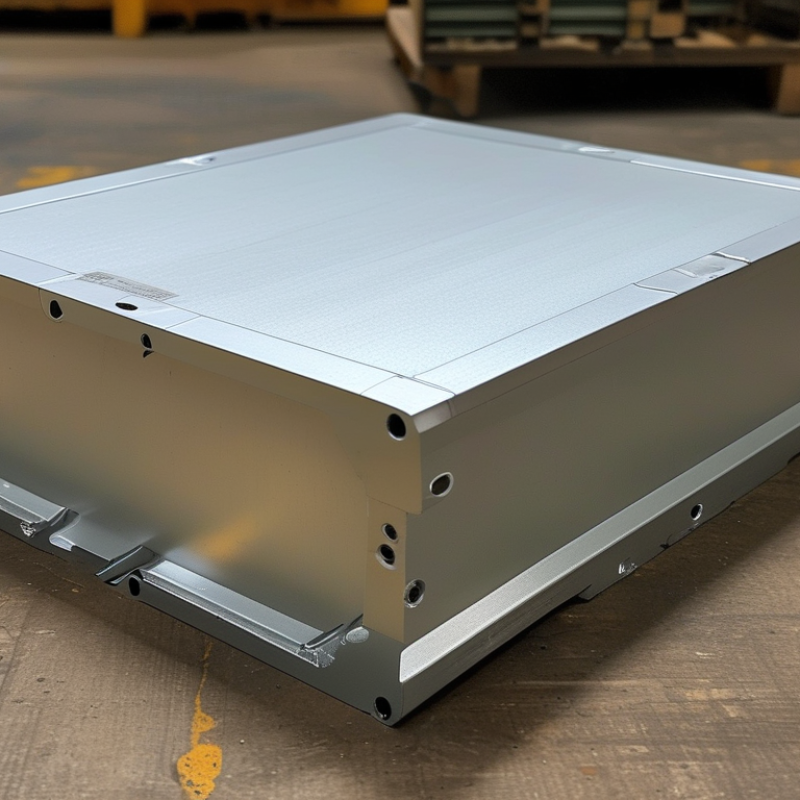
Aluminum extrusion enclosures play a crucial role in modern industry. These enclosures provide protection for electrical components, ensuring durability and safety. With the rise of automation and electronics, the demand for efficient enclosures has grown. Industries utilize aluminum enclosures for their lightweight and corrosion-resistant properties. This makes them ideal for various applications, from manufacturing to telecommunications.
The design of these enclosures is also important. They must promote proper airflow and heat dissipation. Poor design can lead to overheating, which can affect equipment performance. Companies often face challenges in finding the right balance between aesthetics and functionality. It’s vital to consider not only the physical aspects but also the usability of these enclosures.
Choosing the best aluminum extrusion enclosure requires careful thought. Understanding specific requirements is key. Factors such as size, environmental conditions, and electrical components come into play. Industry experts suggest consulting with engineers to ensure the right selection. This can prevent costly errors in the long run, emphasizing the importance of experience and knowledge in making these decisions.
Aluminum is a popular choice for extrusion enclosures due to its unique properties. It is lightweight yet incredibly strong, making it ideal for various applications. This metal can withstand harsh environments and resist corrosion. Whether used in electronics or architectural designs, aluminum offers durability and reliability.
One significant benefit of aluminum is its excellent thermal conductivity. This property helps dissipate heat effectively, ensuring devices operate within safe temperature limits. Additionally, aluminum is highly adaptable. It can be easily customized into different shapes and sizes to meet specific needs. Extrusion processes allow for intricate designs without sacrificing strength.
There's also the advantage of sustainability. Aluminum is recyclable and can be repurposed without losing its quality. However, not all aluminum extrusions are created equal. Buyers must consider the specific alloy used in production. Some types may not provide the expected performance. Reflecting on these details can prevent costly mistakes in future projects.
| Property | Description | Benefits |
|---|---|---|
| Weight | Lightweight material compared to other metals | Easier handling and reduced transportation costs |
| Corrosion Resistance | Natural anodic oxide layer | Durable in harsh environments, reducing maintenance costs |
| Thermal Conductivity | Excellent conductor of heat | Efficient heat dissipation in electronic applications |
| Customization | Easily fabricated into various shapes and sizes | Tailored solutions for specific needs |
| Recyclability | 100% recyclable with no loss of properties | Sustainable choice, reducing environmental impact |
| Strength-to-Weight Ratio | High strength relative to its weight | Provides structural integrity without added weight |
Aluminum extrusion enclosures are versatile solutions for various applications. These enclosures provide excellent durability and protection. They are widely used in the electronics, automotive, and aerospace industries. According to a report by MarketsandMarkets, the aluminum extrusion market is expected to reach USD 50 billion by 2025. This growth reflects increased demand for lightweight and corrosion-resistant materials.
Different types of aluminum enclosures serve unique purposes. For instance, open-channel extrusions are ideal for housing electronic components. They allow for effective heat dissipation. Meanwhile, closed-section designs protect sensitive equipment from environmental factors. According to a study by Grand View Research, the demand for aluminum enclosures in the electronics sector is projected to grow by 8% annually.
Despite these advantages, some challenges persist. Customization can lead to increased manufacturing times. Additionally, over-reliance on aluminum can lead to higher costs. Manufacturers need to consider these factors when choosing aluminum extrusion enclosures. The right design ensures functionality and cost-effectiveness while meeting industry standards.
Choosing the right aluminum extrusion enclosure is crucial for your project. Several factors can guide your decision.
Size is vital—ensure the enclosure fits your components precisely. An overly large enclosure may waste space. A smaller one might overcrowd equipment.
Consider the internal layout, too. Does it allow for proper airflow and accessibility?
Material thickness plays a role in durability. A thicker enclosure can offer more protection, but it may be heavier and harder to work with.
Think about the environment in which the enclosure will be used. Will it face harsh weather conditions? If so, additional sealing or corrosion resistance may be necessary.
Pay attention to customization options. Some enclosures offer various mounting points and cutouts. These can save time during assembly.
Look into the ease of installation, as this can affect your overall project timeline. Finding the right balance between functionality and aesthetics is essential.
Reflect on your unique needs before making a final choice.
When selecting an aluminum extrusion enclosure, understanding industry standards and certifications is crucial. These criteria ensure your product meets safety and quality benchmarks. Certified products often undergo rigorous testing. Familiarity with standards like ISO and ASTM helps you choose a reliable enclosure.
Consider the specific application of your enclosure. Will it be exposed to harsh environments? Certifying bodies often focus on durability, corrosion resistance, and thermal performance. Products with proper certifications provide assurance in quality and longevity.
Tips: Always check for up-to-date certifications. Look for materials tested under real-world conditions. Don't overlook smaller manufacturers. They may offer equally robust solutions. Investing time in research helps avoid costly mistakes.
: They protect electrical components, ensuring safety and durability in various industries.
Their lightweight and corrosion-resistant properties make them ideal for many uses, including electronics.
Proper airflow and heat dissipation are vital to avoid overheating and maintain performance.
Balancing aesthetics and functionality can be difficult, impacting usability and equipment effectiveness.
Consider factors like size, environmental conditions, and electrical components. Consulting engineers is advisable.
Options include open-channel designs for heat dissipation and closed-section types for environmental protection.
Customization can increase manufacturing times and costs, necessitating careful evaluation.
Yes, demand in the electronics sector is expected to grow by 8% annually, reflecting industrial trends.
It can lead to overheating, negatively impacting the performance and longevity of the equipment inside.
Over-reliance on aluminum can elevate costs; finding a balance is essential for functionality and budget.
Aluminum extrusion enclosures play a crucial role in modern industry, offering a versatile and durable solution for housing electronic components and sensitive equipment. The unique properties of aluminum, such as light weight, corrosion resistance, and excellent thermal conductivity, make it an ideal material for these enclosures. Various types of aluminum extrusion enclosures are available, each tailored to specific applications ranging from industrial machinery to consumer electronics.
When selecting an aluminum extrusion enclosure, it is essential to consider factors such as size, shape, and thermal management needs. Additionally, awareness of industry standards and certifications ensures that the chosen enclosures meet safety and quality benchmarks. By understanding these key aspects, businesses can effectively choose the right aluminum extrusion enclosure to meet their operational needs and enhance their product performance.

HG Precision