CNC aluminum parts play a crucial role in modern manufacturing. They are essential for industries such as aerospace, automotive, and electronics. According to a recent report by Grand View Research, the CNC machining market is projected to reach $100 billion by 2025. This growth highlights the increasing demand for precision components, with aluminum being a popular choice due to its lightweight and corrosion-resistant properties.
Expert James Lee, a leading figure in the CNC machining industry, states, “The demand for custom CNC aluminum parts is rising as industries seek enhanced efficiency.” This statement emphasizes the need for sourcing these components effectively. Companies seeking to utilize CNC aluminum parts must understand key factors like material specifications and manufacturing capabilities. Sourcing these parts can be complex, and many organizations overlook the importance of quality assurance and vendor reliability.
Precision and quality are paramount. Inconsistent sourcing can lead to defects, impacting product performance. It is crucial for companies to choose reliable suppliers who adhere to industry standards. Exploring options thoroughly can prevent costly mistakes. Ultimately, sourcing CNC aluminum parts entails a strategic approach that balances quality and cost.
What are CNC Aluminum Parts and Their Applications?
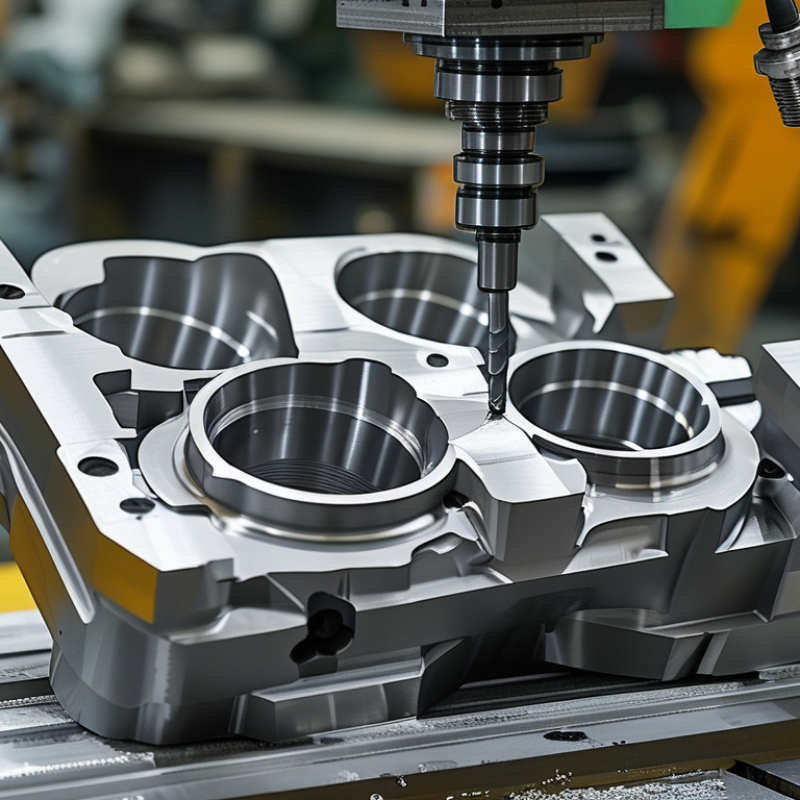
CNC aluminum parts are precision-engineered components made from aluminum materials using Computer Numerical Control (CNC) machining techniques. These parts are highly valued across various industries due to their strength, lightweight nature, and resistance to corrosion. Common applications include automotive components, aerospace parts, and intricate medical devices. Each application requires a different level of precision and detail, showcasing the versatility of CNC aluminum parts.
When sourcing CNC aluminum parts, consider evaluating manufacturers based on their expertise. Look for those with a strong portfolio showcasing previous projects. Communication is key; ensure they understand your specifications. Quality assurance processes should be a priority. A reliable partner will provide certifications and a clear timeline for production.
Tips: Always request samples before placing large orders. This helps verify the quality and ensures it meets expectations. Additionally, be prepared for design modifications. Feedback during the prototype stage can significantly improve the final product. Collaboration with your supplier can lead to innovative solutions, enhancing the overall process. Keep an open mind; flexibility can lead to unexpected improvements.
Understanding the CNC Machining Process for Aluminum Parts
CNC machining is a vital process for creating aluminum parts. This method utilizes computer-controlled tools to precisely cut and shape materials. The flexibility of CNC machines allows for intricate designs and detailed features. It enhances accuracy, which is crucial in various industries. Each piece can achieve tight tolerances, reducing waste and ensuring quality.
Understanding the CNC machining process begins with the design phase. A digital model is created, detailing the part's dimensions and specifications. This model guides the CNC machine throughout the manufacturing process. Operators must select the right tools and settings to achieve optimal results. Sometimes, even experienced machinists find themselves reassessing their choices during production. Issues like incorrect feed rates or tool wear can impact the output.
The choice of materials is also essential. Aluminum is popular due to its lightweight and corrosion resistance. However, not all aluminum grades are suitable for every application. Experts often emphasize the importance of testing and iterating on designs. Each prototype can reveal new insights, leading to improved final products. While CNC machining ensures precision, it requires continual evaluation and adjustment. Through this reflective practice, manufacturers can refine their approaches and enhance their craftsmanship.
Key Specifications and Tolerances for CNC Aluminum Components
CNC aluminum components are vital to many industries, from aerospace to automotive. They require precision engineering and strict adherence to specifications. Understanding these tolerances is essential for successful sourcing. Common specifications for CNC aluminum parts include dimensions, surface finish, and material type. Each detail can impact the part's performance and durability.
Tolerances for aluminum parts vary widely. For example, tight tolerances may be necessary for parts that fit together in machinery. A tolerance of ±0.01 mm could be crucial in these scenarios. Additionally, surface finish specifications like anodizing or polishing enhance corrosion resistance. These details can greatly influence part longevity.
While sourcing, don’t overlook the importance of communication with manufacturers. Providing clear specifications ensures your needs are met. However, keep in mind that not all manufacturers can deliver the same quality. Some may overstate their capabilities. Thus, being diligent in your research is necessary. Ask for samples and check their processes thoroughly. This level of scrutiny can guide you toward reliable suppliers.
How to Find Reliable Suppliers for CNC Aluminum Parts
Sourcing CNC aluminum parts requires careful consideration of suppliers. The global CNC machining market is projected to reach $100 billion by 2025, indicating a robust demand for quality components. Companies need to identify reliable partners to ensure high standards and efficiency.
Begin with industry assessments. Look for suppliers with certifications such as ISO 9001, which demonstrates their commitment to quality management systems. Check their previous work and read customer testimonials. Analyzing supplier reviews can reveal crucial insights about reliability and product quality.
Tip: Create a checklist of key requirements. Include material specifications, tolerances, and delivery schedules. This will help you determine if a supplier meets your unique needs.
Also, consider attending trade shows and industry expos. These venues offer opportunities to meet manufacturers face-to-face. Personal interaction can build trust and help gauge a company's expertise more accurately.
Tip: Engage multiple suppliers to compare quotes and lead times. This will give you a clearer picture of the market rates, helping you make informed choices. Cultivating relationships with various suppliers can also provide alternatives for future projects.
In summary, focusing on trustworthy suppliers is essential for acquiring high-quality CNC aluminum parts. Keep an eye on industry trends to stay competitive.
Evaluating Quality and Cost in CNC Aluminum Parts Sourcing
When sourcing CNC aluminum parts, quality and cost are pivotal factors. Evaluating a manufacturer’s processes can reveal their commitment to precision. Look for evidence of certifications like ISO 9001, which indicates adherence to quality standards. Quality control measures should be transparent. Ask about their inspection techniques. Frequent checks during production can prevent defects.
Cost considerations are equally important. It’s essential to balance quality with budget constraints. Cheap options may compromise on precision. Request quotes from several sources to understand the market rate. Pay attention to hidden costs, like shipping or tooling charges. Experience has shown that investing more upfront often results in long-term savings.
Reflect on the material and finishes used in production. Aluminum can vary significantly in alloy composition, each with unique properties. Some manufacturers might offer attractive prices but use inferior materials. This may lead to issues later on. Take the time to ask questions and gather references. Trustworthy suppliers should be willing to share past performance data.
FAQS
: CNC aluminum parts are precision-engineered components made from aluminum via CNC machining techniques.
Industries like automotive, aerospace, and medical devices commonly use CNC aluminum parts due to their strength and lightweight nature.
Evaluating manufacturers ensures they understand specifications and maintain quality assurance processes. Always check their previous work.
Request samples before large orders and check for quality certifications. Transparency in quality control is key.
Focus on dimensions, surface finish, and material type, as these affect performance and durability directly.
Tight tolerances, like ±0.01 mm, are crucial for parts fitting together. Always specify your needs clearly.
Quality, material, and hidden costs, like shipping, affect pricing. Balance quality with your budget for the best outcome.
Feedback during the prototype stage can lead to better products. Stay open to changes and collaboration with suppliers.
Cheaper options might compromise on quality. Investigate suppliers to avoid issues later and ensure you’re getting the best materials.
Clear communication with manufacturers ensures your specifications are met. It also helps build a reliable partnership for future projects.
Conclusion
CNC aluminum parts are precision-engineered components created through a computer-controlled machining process, widely used in various industries due to their lightweight properties and strength. These parts are essential in applications ranging from aerospace to automotive, offering exceptional accuracy in design and manufacturing. Understanding the CNC machining process for aluminum, including the necessary specifications and tolerances, is crucial when sourcing these components.
Finding reliable suppliers for CNC aluminum parts is a vital step in ensuring high quality and cost-effectiveness. It's important to evaluate potential suppliers based on their manufacturing capabilities, experience, and quality assurance processes. By carefully assessing these aspects, businesses can secure the best CNC aluminum components that meet their technical requirements while optimizing costs.

 HG Precision