Choosing the right Aluminum CNC Machining Parts is crucial for manufacturing efficiency. According to a report by Grand View Research, the CNC machining market is expected to reach $100 billion by 2025. This growth highlights the increasing reliance on precision-engineered components in various industries. However, selecting the best parts requires careful consideration.
Quality and performance are paramount when choosing aluminum CNC machining parts. Different grades of aluminum offer varying properties. For instance, 6061 aluminum is prized for its good corrosion resistance and weldability. These elements are essential in aerospace and automotive applications. A report from MarketsandMarkets indicates that the aerospace sector alone is projected to grow at a CAGR of 5.6% from 2021 to 2026.
Despite the advantages, selecting the right parts can be challenging. Factors such as surface finish, tolerances, and cost can complicate decisions. It's important to assess the specific needs of your project. Relying solely on price could lead to compromised quality. Understanding these intricacies ensures you make informed choices. Evaluating your options thoroughly will lead you to the best aluminum CNC machining parts for your needs.
Understanding Aluminum CNC Machining: Key Concepts and Benefits
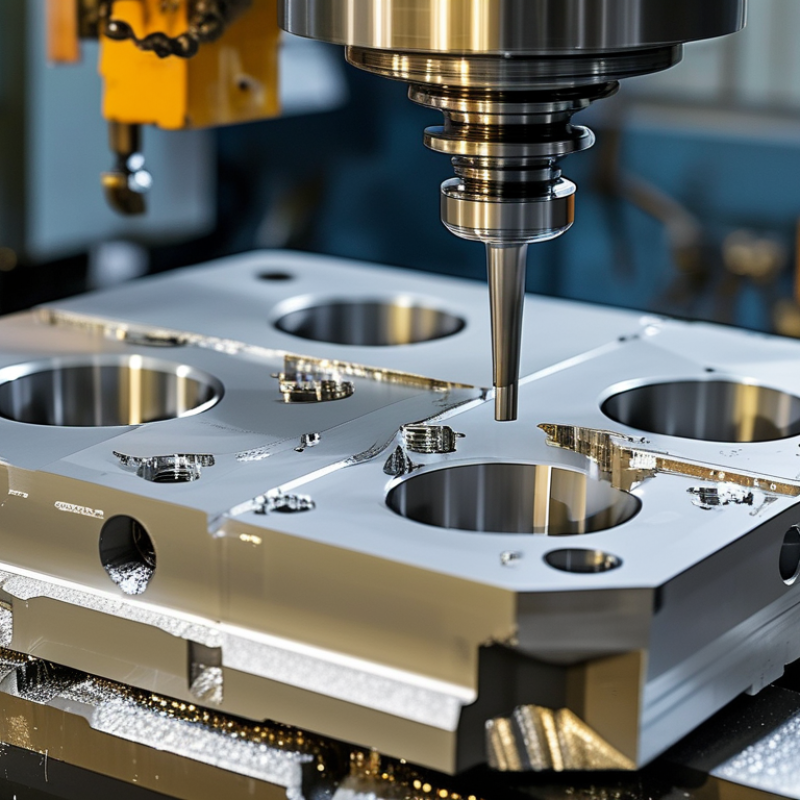
Aluminum CNC machining is a precise method for creating parts from aluminum. This process involves using computer-controlled machines to cut and shape aluminum, making it suitable for various industries. Understanding its key concepts can help you decide if it’s the right choice for your project.
The benefits of aluminum CNC machining are significant. Aluminum is lightweight, making it easy to handle. It also has excellent corrosion resistance. This combination enhances the durability of parts produced. Additionally, the machining process can achieve complex geometries, which are often difficult with traditional methods.
Tip: When selecting aluminum CNC machining service, check their experience. A provider with a solid track record will likely deliver better results.
Some may overlook the importance of post-processing in CNC machining. While the machining itself is crucial, finishing touches like anodizing can improve aesthetics and strength. Reflect on your design requirements. Do they truly need such enhancements?
Tip: Always request samples or prototypes before full production. This can reveal potential issues early, saving time and resources in the long run.
Factors to Consider When Choosing CNC Machined Aluminum Parts
Choosing the right CNC machined aluminum parts can be complex. Several critical factors must be considered. Material grade is paramount. Using high-quality aluminum, like 6061 or 7075, can enhance durability and performance. According to a recent industry report, parts made from these grades can withstand significant stress, making them ideal for aerospace applications.
Tolerances and finish are also crucial. Many companies require tight tolerances for precision work. A report by the Precision Machined Products Association (PMPA) indicates that high-precision parts increase efficiency by reducing rework rates. Additionally, surface finish impacts aesthetics and functional performance. A rough finish may lead to increased friction and wear, while a smooth finish can enhance thermal conductivity.
Another factor is the manufacturer’s experience. Firms with a strong track record in CNC machining typically provide better quality parts. A company's portfolio may give insight into their capabilities. However, even highly rated manufacturers can have imperfections. It's essential to evaluate feedback and reviews cautiously. Looks can be deceiving; real-world performance is what matters.
Factors Influencing the Choice of CNC Machined Aluminum Parts
Evaluating Material Properties for CNC Machined Aluminum Components
Choosing the right aluminum for CNC machining is crucial. Aluminum comes in various grades, each with unique properties. The choice affects durability and performance. Consider how the component will be used. Will it face stress or corrosion? These factors influence the material selection.
Strength is a primary concern. Aluminum alloys like 6061 and 7075 offer excellent strength-to-weight ratios. For parts requiring lightweight construction, these options excel. However, there are trade-offs. Not all alloys are equally machinable. Some grades can wear tools faster. It’s essential to balance strength and machinability for optimal results.
Thermal conductivity is another vital aspect. Aluminum is known for dissipating heat well. This property is beneficial in components like heatsinks. However, high thermal conductivity can lead to warping during machining. Understanding these properties helps in making informed decisions. Analyzing, testing, and adapting designs based on these factors ensures quality and performance.
Essential CNC Machining Processes for Aluminum Parts Production
When producing aluminum parts, understanding CNC machining processes is crucial. Two essential methods are milling and turning. Milling involves cutting away material using rotating tools. It's effective for creating complex shapes and achieving accurate dimensions. In contrast, turning is a process used to shape materials by rotating them against a cutting tool. This method excels in producing cylindrical parts with a high level of precision.
Choosing the right process depends on your design requirements. For intricate geometries, milling may be preferred. However, for simple cylindrical pieces, turning is often more efficient. It’s important to assess the intended application of each part. Often, designs will reveal themselves more clearly through prototypes. Sometimes, initial designs may not hold up during testing. Regular iterations based on feedback can lead to better final products.
Considering tolerances is also vital. Some applications demand tight tolerances while others are more forgiving. Understanding the specifics of your project allows for better planning. Yet, unexpected challenges can arise, especially when integrating different machining techniques. Always be prepared to adapt and refine your approach as new insights surface during the production process.
Common Applications and Industries Utilizing Aluminum CNC Machining
Aluminum CNC machining is becoming increasingly essential in various industries. A report by MarketsandMarkets indicates that the global CNC machining market is expected to reach $100 billion by 2026, with aluminum components playing a significant role. The lightweight properties of aluminum make it an ideal choice for aerospace, automotive, and medical applications.
In aerospace, aluminum parts offer strength and reduced weight, enhancing fuel efficiency. The International Air Transport Association highlighted that airlines are focusing on fuel efficiency to reduce operational costs. In the automotive sector, many manufacturers utilize aluminum for parts like engine blocks and transmission housings, contributing to the trend toward lightweight vehicles.
However, some industries face challenges with aluminum machining. Factors like material brittleness can lead to tool wear. Additionally, achieving the right surface finish often requires careful calibration of machining parameters. As companies continue to innovate, understanding these nuances in aluminum CNC machining is crucial for optimizing production and meeting quality standards.
FAQS
: The right aluminum affects durability, performance, and how the component withstands stress or corrosion.
Alloys like 6061 and 7075 offer excellent strength-to-weight ratios for lightweight construction.
Some alloys are less machinable and can cause faster tool wear during processing.
Good thermal conductivity helps dissipate heat but can cause warping in components during machining.
Milling removes material using rotating tools, while turning shapes materials by rotating against a cutting tool.
Choose milling for complex shapes and turning for simple cylindrical parts to improve efficiency.
Some applications need tight tolerances; others can be more forgiving depending on project specifics.
Aerospace, automotive, and medical sectors benefit significantly from aluminum's lightweight properties.
Material brittleness can lead to tool wear, and achieving a good surface finish requires precise calibration.
Regular iterations based on testing can improve designs as new insights emerge throughout production.
Conclusion
Aluminum CNC machining parts are increasingly favored in various industries due to their lightweight nature and excellent strength-to-weight ratio. Understanding the fundamental concepts and benefits of aluminum CNC machining is essential for selecting the best components. When choosing these parts, several factors come into play, including material properties, machining processes, and the specific applications they will serve.
Evaluating the characteristics of aluminum, such as corrosion resistance and machinability, is crucial in ensuring optimal performance. Additionally, being familiar with essential CNC machining processes enables manufacturers to produce high-quality aluminum parts efficiently. Common applications range from automotive to aerospace, highlighting the versatility and reliability of aluminum CNC machining parts in modern manufacturing.

 HG Precision