In the world of thermal management, finding the right solutions for an Aluminum Extrusion Heat Sink can make a significant impact. Industry expert Dr. Emily Chen, a renowned materials scientist, emphasizes the importance of quality in this domain. She states, "Effective heat dissipation begins with understanding material properties." This insight underlines how crucial it is for buyers to select the best options.
Aluminum Extrusion Heat Sinks are vital for various applications, especially in electronics. They help in managing heat, ensuring devices operate efficiently. However, not all heat sinks are created equal. Buyers must navigate through countless offerings to identify reliable manufacturers. Experts suggest that a focus on both design and material quality can lead to better performance.
Even with advancements, some challenges remain. Many buyers struggle to differentiate between products, which can lead to suboptimal choices. Reflecting on past experiences, companies often learn that not every supplier meets the mark. This highlights the need for thorough research and vetting. Investing time in understanding the available solutions is invaluable for making informed decisions.
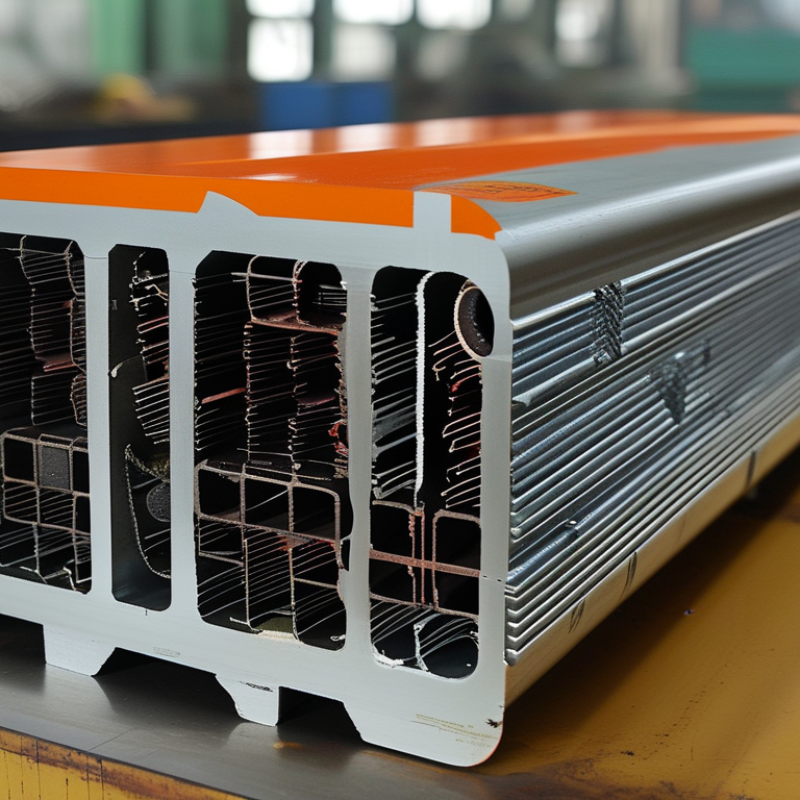
Aluminum extrusion has emerged as a critical process for creating effective heat sinks. This method allows manufacturers to shape aluminum into complex profiles, maximizing surface area for heat dissipation. The unique properties of aluminum, such as its light weight and excellent thermal conductivity, make it an ideal material for heat sinks.
By leveraging aluminum extrusion, engineers can design customized heat sinks tailored to specific applications. This level of customization enhances performance and efficiency. However, not all extrusions are created equal. Variations in design and fabrication can impact thermal management efficacy and overall system performance. Understanding these nuances is crucial for buyers looking to invest in high-quality solutions.
Moreover, aluminum heat sinks present some challenges. While they are efficient, improper design can lead to hot spots. Buyers must consider the entire thermal environment and work closely with experienced manufacturers. Collaboration can lead to better heat sink design. It’s essential to evaluate not just the material, but also the manufacturing process and design parameters to ensure optimal results.
| Heat Sink Type | Material | Dimensions (mm) | Weight (grams) | Thermal Conductivity (W/mK) | Fin Type |
|---|---|---|---|---|---|
| Standard Heat Sink | Aluminum 6063 | 100 x 50 x 25 | 200 | 201 | Straight Fins |
| Compact Heat Sink | Aluminum 6061 | 80 x 40 x 20 | 150 | 205 | Finned |
| High Performance Heat Sink | Aluminum 6005 | 120 x 60 x 30 | 250 | 210 | Tapered Fins |
| Custom Heat Sink | Aluminum Alloy | Varies | Varies | Varies | Custom |
: Heat sinks manage excess heat generated by electronic components, ensuring optimal performance.
The right material impacts heat dissipation efficiency, with aluminum being a popular choice.
Designs featuring fins or expanded surfaces can maximize heat dissipation and improve efficiency.
A bad design may lead to inefficient heat transfer, possibly causing system failures.
Ambient temperature affects heat sink performance, influencing cooling efficiency and component lifespan.
Precision in extrusion can affect thermal performance; higher quality leads to better results.
Buyers may need thicker heat sinks but must avoid oversizing, which adds unnecessary weight and cost.
Some buyers overlook the balance between heat sink size and application needs, impacting effectiveness.
Research and discussions with suppliers can significantly improve buying decisions and application suitability.
Testing various designs helps identify the most effective cooling solution for specific requirements.
Aluminum Extrusion Heat Sink solutions play a crucial role in enhancing the efficiency of electronic cooling systems. Understanding the benefits of aluminum extrusion, such as its lightweight nature and excellent thermal conductivity, is essential for buyers seeking effective heat dissipation solutions. The article discusses the significance of heat sinks in managing thermal management for electronic devices, ensuring their optimal functionality and longevity.
Furthermore, it highlights the top manufacturers in China that specialize in aluminum extrusion heat sinks, providing insights into quality standards buyers should consider. Emphasizing the choice between custom and standard heat sink options, the content equips potential buyers with the necessary knowledge to make informed decisions, ensuring they select the most suitable aluminum extrusion heat sink solutions for their needs.

 HG Precision