China Top Aluminum Alloy Parts for Global Buyers?

Time:2026-07-29 Author:Isabella
0%

As the global demand for lightweight and durable materials increases, aluminum alloy parts play a pivotal role in various industries. The global aluminum alloy market is expected to reach $111 billion by 2025, according to research by Grand View Research. These parts are essential in automotive, aerospace, and construction sectors. Their unique properties offer both strength and weight advantages.

Dr. Lisa Hayes, a renowned expert in metallurgical engineering, emphasizes the significance of aluminum. "Aluminum alloy parts are crucial for effective and sustainable manufacturing practices," she noted. This reflects a growing trend toward eco-friendly materials. However, the industry faces challenges, including fluctuating raw material costs and the need for advanced recycling methods.

Despite these challenges, China's aluminum alloy parts industry is set to lead in innovation and production. Chinese suppliers are known for their competitive pricing and technological advancements. However, quality and standard adherence often raise questions. These aspects require ongoing evaluation. Buyers should remain informed and seek partnerships that guarantee both quality and sustainability in aluminum alloy products.
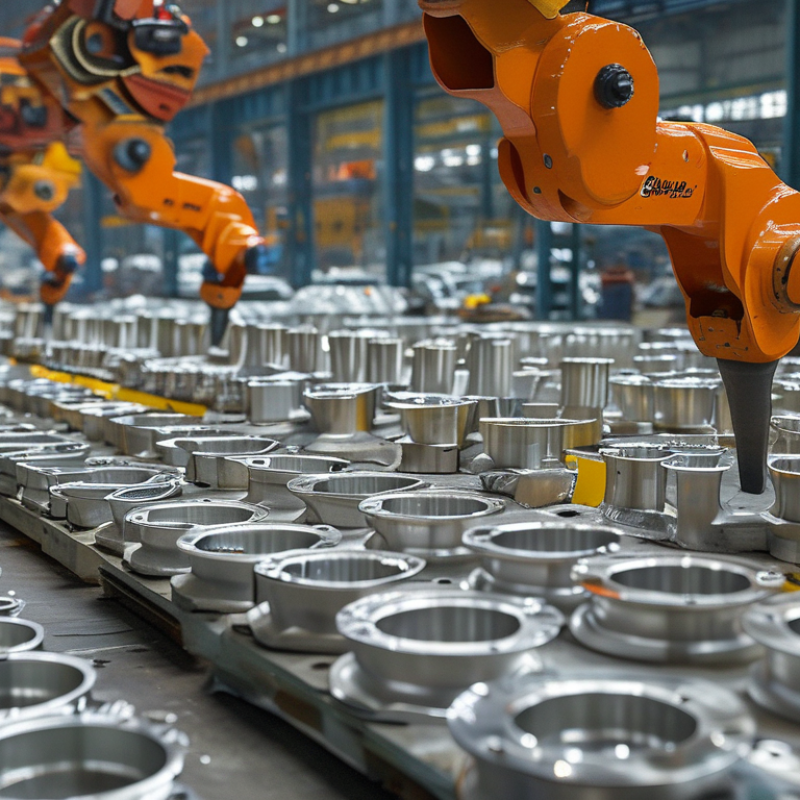
China Top Aluminum Alloy Parts for Global Buyers?

Overview of Aluminum Alloy Parts in China

The aluminum alloy parts market in China continues to thrive due to rising global demand. According to a recent industry report, the aluminum alloy segment is expected to grow at a CAGR of 5.2% from 2023 to 2028. This growth reflects the increasing applications of aluminum alloys in aerospace, automotive, and construction sectors, which drive innovations in production techniques.

China’s advanced manufacturing capabilities position it as a leader in this field. The country boasts a vast network of suppliers and manufacturers that specialize in aluminum alloys. This network allows for competitive pricing and quick turnaround times, which appeal to international buyers. However, quality control remains a challenge, with variations in specifications depending on the manufacturer's expertise. The need for rigorous testing and standards adherence is ever-increasing.

Tips: When sourcing aluminum alloy parts in China, investigate the manufacturer's certifications. Verify their quality management systems to ensure compliance with international standards. Additionally, consider conducting factory audits to better assess their processes and capabilities. This helps mitigate risks associated with inconsistent quality. Communication is key; clarify specifications thoroughly to avoid misunderstandings.

Key Manufacturers of Aluminum Alloy Parts in China

China has established itself as a global leader in the production of aluminum alloy parts. The country's manufacturing capabilities cater to various industries including automotive, aerospace, and electronics. According to a recent market report by Research and Markets, the global aluminum alloy market is projected to reach $96 billion by 2026, with a significant portion contributed by Chinese manufacturers.

Prominent manufacturers in China focus on enhancing technological capabilities. They invest in research and development to improve the strength and durability of aluminum alloys. The average yield strength of high-performance aluminum alloys has increased by 20% over the last decade. This improvement allows for broader applications in high-stress environments. Despite advancements, quality control remains a challenge for smaller manufacturers, sometimes leading to inconsistencies in product quality.

The aluminum alloy parts market faces competitive pressures. While large manufacturers dominate, smaller players often struggle with scalability and market access. As the demand for lightweight and high-strength materials grows, their role becomes critical. Industry experts suggest that a more collaborative approach between larger firms and SMEs may lead to better innovation and quality standards. This evolving landscape indicates a need for manufacturers to continuously adapt and reflect on their operational practices.

China Top Aluminum Alloy Parts for Global Buyers

Manufacturer Location Annual Production Capacity (Tons) Main Product Types Market Share (%) Certifications
Eastern China 50,000 Extrusions, Castings 25 ISO 9001, TS 16949
Southern China 70,000 Forgings, CNC Machined Parts 30 ISO 14001, OHSAS 18001
Northern China 40,000 Die Cast Parts, Anodized Products 20 ISO 9001, RoHS
Central China 60,000 Aluminum Plates, Sheets 15 ISO 9001, CE

Quality Standards for Aluminum Alloy Parts in the Global Market

Aluminum alloy parts are crucial in various industries. Their quality affects the overall performance and safety of products. Different regions have distinct quality standards that manufacturers must meet. Global buyers need to understand these standards to make informed decisions.

Quality assurance is vital. Manufacturers often conduct rigorous testing on aluminum alloy parts. This includes tensile strength tests and corrosion resistance assessments. Yet, not all processes are equally effective. Some may overlook critical checks, leading to subpar products. Buyers should inquire about testing protocols before procurement.

Furthermore, certification processes can vary widely. Some countries emphasize environmental considerations more than others. This can impact the sustainability of the materials used. Buyers must recognize that compliance with one region’s standards does not guarantee quality elsewhere. Continuous vigilance and communication with suppliers are necessary for quality assurance.

Applications of Aluminum Alloy Parts Across Various Industries

Aluminum alloy parts are essential across various industries, showcasing their versatility and advanced characteristics. In the automotive sector, lightweight aluminum alloys contribute to fuel efficiency while maintaining safety standards. These materials resist corrosion, making them ideal for vehicle components exposed to varying weather conditions. The aerospace industry also relies heavily on aluminum alloys. They're used in aircraft structures due to their excellent strength-to-weight ratio, which improves performance and reduces operational costs.

In construction, aluminum alloys are popular for window frames and roofing materials. Their durability ensures long-term reliability. However, sourcing quality suppliers can be challenging. Buyers might face inconsistencies in material specifications. This can lead to subpar performance in critical applications. Furthermore, as industries evolve, the demand for innovative aluminum alloy solutions grows. The recycling of aluminum alloys offers an opportunity to reduce environmental impact. Yet, the recycling process may present its own set of challenges, like material contamination and inconsistent quality.

The marine industry also benefits from aluminum alloys, as they provide strength without the weight of traditional materials. However, the harsh marine environment can accelerate wear and corrosion, prompting the need for regular maintenance. As industries continue to adopt aluminum alloys, understanding their specific applications and limitations remains vital for ensuring optimal performance and reliability.

Applications of Aluminum Alloy Parts Across Various Industries

Trends and Innovations in China's Aluminum Alloy Manufacturing

China's aluminum alloy manufacturing sector is witnessing transformative trends driven by innovation. According to a recent report by the International Aluminum Institute, China's aluminum demand is projected to reach 36 million metric tons by 2025. This growth highlights a significant shift toward lightweight materials across various industries, including automotive and aerospace.

Manufacturers are increasingly focusing on high-strength aluminum alloys, which combine durability with reduced weight. This trend is evident in applications ranging from automotive frames to aircraft components. The Chinese aluminum industry has invested heavily in research and development, improving production techniques and alloy formulations. A notable innovation is the adoption of 3D printing technology for aluminum parts. This method offers unparalleled precision and reduces material waste, enhancing sustainability.

However, the industry faces challenges. Compliance with international quality standards remains a concern. Not all manufacturers consistently meet these standards, leading to variability in production quality. Additionally, the rapid development of new alloys may outpace regulatory measures, causing uncertainty in global markets. Continued collaboration with international quality assessors is crucial for building trust with global buyers. Addressing these issues will strengthen China's position in the global aluminum alloy market.

FAQS

: What is driving the growth of aluminum alloy parts in China?

: The growth is driven by rising global demand across various sectors like aerospace, automotive, and construction.

How fast is the aluminum alloy market expected to grow?

It is projected to grow at a CAGR of 5.2% from 2023 to 2028.

What challenges do manufacturers face regarding product quality?

Quality control can be inconsistent due to varying expertise among manufacturers, affecting product specifications.

Why is communication important when sourcing aluminum alloy parts?

Clear communication helps avoid misunderstandings regarding product specifications and requirements.

How can buyers ensure the quality of aluminum alloy parts?

Buyers should verify manufacturer's certifications and consider conducting factory audits to assess quality standards.

What advancements have been made in aluminum alloy technology?

The average yield strength of high-performance alloys has increased by 20% in the past decade, broadening applications.

What quality assurance tests do manufacturers conduct?

Manufacturers usually conduct tensile strength tests and corrosion resistance assessments on aluminum alloy parts.

Can compliance with one region's standards guarantee quality in another?

No, compliance varies; buyers must understand different regional standards to ensure quality across markets.

What could limit smaller manufacturers in the aluminum alloy market?

Smaller manufacturers may struggle with scalability and market access, leading to challenges in competitiveness.

How can larger firms help smaller manufacturers?

A collaborative approach may foster innovation and improve quality standards in the aluminum alloy industry.

Conclusion

China has emerged as a major player in the global market for Aluminum Alloy Parts, thanks to its extensive manufacturing capabilities and focus on quality. This article provides an overview of the landscape of aluminum alloy parts in China, highlighting key manufacturers who are shaping the industry. It discusses the stringent quality standards implemented to meet global expectations and examines the diverse applications of aluminum alloy parts across various sectors, including automotive, aerospace, and construction.

As the demand for lightweight and durable materials grows, the article also explores the latest trends and innovations in aluminum alloy manufacturing in China. These advancements not only enhance the performance of aluminum alloy parts but also contribute to sustainability efforts within the industry. Overall, China's position in the aluminum alloy parts market reflects its commitment to quality, innovation, and meeting the evolving needs of global buyers.


Isabella

Isabella

Isabella is a dedicated marketing professional with a sharp focus on driving brand growth and engagement through strategic content creation. With an extensive background in digital marketing, she combines her passion for storytelling with her keen understanding of industry trends to deliver......