In today's competitive market, exporters face numerous challenges when selecting the right materials. One key area is the choice of Aluminum Hollow Section. Experts emphasize the significance of understanding its properties and applications. John Smith, a notable figure in the aluminum industry, once stated, "Quality matters; understanding the material you export is essential."
Aluminum Hollow Sections have gained popularity due to their lightweight and strength. They serve various industries, from construction to automotive. However, many exporters overlook some critical factors in their purchasing decisions. For instance, not all hollow sections are manufactured to the same standards. This inconsistency can lead to potential issues down the line.
Attention to detail, such as sourcing from reputable suppliers, is crucial. Quality and performance should never be compromised. As the market evolves, so do the requirements for Aluminum Hollow Sections. It’s vital for exporters to stay informed. They must embrace continuous learning and adaptation to keep up with industry standards and gain a competitive edge. Reflecting on these elements can illuminate a clearer path in the complex world of aluminum exports.
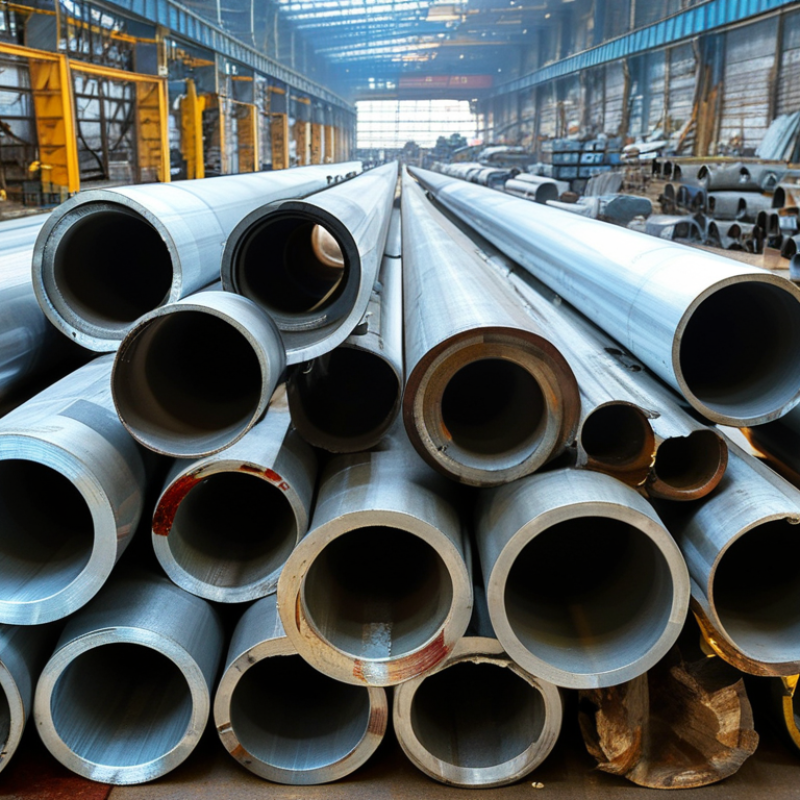
Understanding Aluminum Hollow Sections: Overview and Benefits
Aluminum hollow sections are versatile materials widely used in construction and manufacturing. They offer various benefits, making them a popular choice among exporters. These sections are lightweight yet strong. Their strength-to-weight ratio is impressive, allowing for structural integrity without unnecessary bulk. This makes them ideal for various applications, from framing to support systems.
One of the key advantages of aluminum hollow sections is their resistance to corrosion. Unlike other metals, aluminum does not rust. This durability extends the life of structures and reduces maintenance costs. Additionally, aluminum is recyclable. Exporters can rank high on sustainability by choosing aluminum hollow sections. These factors emphasize the robust nature of aluminum in today’s eco-conscious market.
However, not all aluminum hollow sections are created equal. Factors like wall thickness and manufacturing process can affect performance. It's essential to assess these details when sourcing materials. Understanding the specific requirements of your project is crucial. Making informed decisions can help avoid potential pitfalls. This exploration into aluminum hollow sections highlights both their remarkable attributes and areas for careful consideration.
Key Factors to Consider When Choosing Aluminum Hollow Sections
When selecting aluminum hollow sections for export, several key factors come into play. The first consideration is the intended application. Different projects require specific dimensions and properties. Some may need lightweight materials, while structural integrity is crucial for others. Understanding these requirements aids in making informed decisions.
Another important aspect is the quality of the aluminum. Look for products that follow international standards. This ensures durability and performance, which are essential for customer satisfaction. Additionally, pay attention to the manufacturer’s reputation. A reliable supplier can often provide certifications and test results, adding an extra layer of trust.
Pricing is also a significant factor. However, the cheapest option may not always be the best choice. It's essential to balance cost with quality. Sometimes, investing a bit more in superior materials can save money in the long run. Reflecting on these factors can lead to more successful procurement and ultimately, better business outcomes.
2026 Aluminum Hollow Sections Market Analysis
Types of Aluminum Alloys Used in Hollow Sections for Export
When exploring the types of aluminum alloys used in hollow sections, it's essential to understand their unique properties. Aluminum alloys are classified into two main categories: wrought and cast. Wrought alloys, particularly those in the 6000 series, are most commonly used for hollow sections due to their excellent mechanical properties and resistance to corrosion. According to industry reports, the global aluminum alloy market is projected to reach USD 200 billion by 2026, highlighting the growing demand for these materials.
The most popular types of alloys for hollow sections include 6061 and 6063. Alloy 6061 offers good corrosion resistance and weldability, making it suitable for structural applications. Meanwhile, 6063 is often favored for architectural applications due to its smooth surface finish. Each alloy has its strengths and weaknesses that impact the final product's performance. For instance, 6061 can be more challenging to extrude compared to 6063, which could lead to production inefficiencies.
Exporters need to select the right alloy based on their specific applications. For example, while 6063 is perfect for aesthetic purposes, it may not handle high-stress applications as effectively as 6061. Understanding these nuances is crucial for making informed decisions. The alloy choice directly influences material strength, weight, and thermal efficiency. Poor choices in alloy selection can lead to product failures and increased costs. Hence, obtaining solid expertise and reliable data is imperative when sourcing aluminum hollow sections for export.
2026 Best Aluminum Hollow Section Buying Guide for Exporters
| Type of Aluminum Alloy |
Common Uses |
Tensile Strength (MPa) |
Corrosion Resistance |
Weldability |
| 6061 |
Structural applications, automotive |
270 |
Good |
Excellent |
| 6063 |
Architectural applications, window frames |
240 |
Good |
Excellent |
| 5052 |
Marine environments, fuel tanks |
210 |
Excellent |
Good |
| 7075 |
Aerospace, military applications |
570 |
Fair |
Poor |
| 2024 |
Aircraft structures, truck components |
480 |
Fair |
Poor |
Quality Standards and Certifications for Aluminum Hollow Sections
When considering aluminum hollow sections for export, adhering to quality standards is critical. Recognized certifications can indicate the reliability of suppliers. Look for compliance with international standards like ISO or ASTM. These certifications ensure that the materials meet mechanical and chemical quality benchmarks.
Understanding the nuances of these certifications can be challenging. Not all suppliers have the same level of expertise and commitment to quality. This can lead to issues later, such as material deficiencies. Engage in thorough research about the certifications relevant to your region. Knowledge of local regulations adds another layer of assurance.
Evaluate suppliers based on their experience and past performance. Review customer feedback to gauge satisfaction levels. Pay attention to the history of their products in actual applications. This can help identify potential weaknesses in their offerings. Quality should never be an afterthought; it's essential for maintaining a competitive edge in the market.
Best Practices for Sourcing and Exporting Aluminum Hollow Sections
When sourcing aluminum hollow sections, understanding the market is crucial. Research local and global suppliers. Evaluate their production standards. Look for quality certifications. This enhances trust and product reliability. Pay attention to the specific requirements of your market. Different regions may have distinct preferences and specifications.
Consider engaging with professionals who have experience in this field. Their insights can help you avoid common pitfalls. Also, establishing a robust network can lead to better sourcing deals. Use trade shows and online platforms to connect. These connections can provide valuable information on quality and pricing.
One important aspect is to negotiate terms clearly. Ensure your suppliers understand your quality expectations. Miscommunications can lead to costly errors. Be aware of the need for flexibility in orders. Supply chain disruptions can occur, thus having a backup plan is essential. Engaging with multiple suppliers may be worth considering. This reduces dependency and enhances supply chain resilience.
Conclusion
The article titled "2026 Best Aluminum Hollow Section Buying Guide for Exporters" provides a comprehensive overview of Aluminum Hollow Sections, highlighting their benefits, key factors for selection, and types of alloys used. It emphasizes the importance of understanding the various applications of Aluminum Hollow Sections in export markets, ensuring that exporters make informed decisions based on quality, durability, and performance specifications.
Additionally, the article outlines the critical quality standards and certifications required for Aluminum Hollow Sections, ensuring that products meet international safety and performance benchmarks. It concludes with best practices for sourcing and exporting these materials, guiding exporters on how to effectively navigate the global market while optimizing their supply chains.

 HG Precision