Aluminum Precision Parts play a crucial role in various industries, from aerospace to automotive. These components are known for their lightweight nature and exceptional strength. Engineers and manufacturers often rely on Aluminum Precision Parts due to their precision and reliability. Sourcing these parts can be challenging, especially with the wide range of suppliers available today.
Quality is paramount when it comes to Aluminum Precision Parts. The importance of precise measurements cannot be overstated. A slight error can lead to significant problems in performance and safety. This is where expertise and experience come into play. Knowing how to identify reliable sources is essential. It ensures that the parts meet stringent quality standards.
Navigating the supply chain for Aluminum Precision Parts requires diligence. It's important to evaluate the capabilities of potential suppliers. Not every manufacturer will meet the specific needs of your project. Careful consideration and research can lead to better outcomes. Engaging with knowledgeable partners enhances the overall sourcing experience and builds trust.
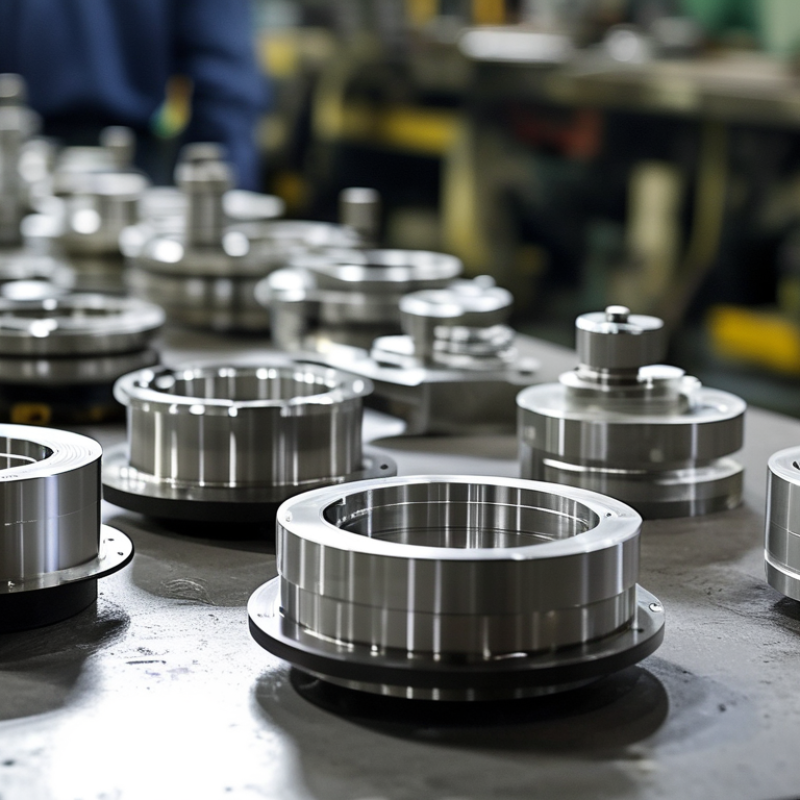
Aluminum precision parts are components made from aluminum, designed to exact specifications. These parts are known for their lightweight nature and high strength-to-weight ratio. High-quality aluminum exhibits excellent machinability, allowing for precise manufacturing processes. This precision results in parts that fit perfectly into complex assemblies. They are commonly used in industries such as aerospace, automotive, and electronics.
The characteristics of aluminum precision parts include resistance to corrosion and thermal conductivity. These traits make them suitable for various applications. Additionally, aluminum can be easily formed into intricate shapes. This versatility is crucial in meeting the demands of modern engineering. However, sourcing these parts can be challenging. It's essential to evaluate suppliers based on their capabilities and quality control processes. Some manufacturers may have varying standards, which can lead to subpar products.
Quality assurance is vital when sourcing aluminum parts. Always verify certifications and inspect samples. This step ensures that the parts will perform as expected under specific conditions. Consider the impact of production methods on sustainability. Responsible sourcing is more than just selecting a low-cost option. Evaluate the entire supply chain to ensure reliability. It’s a complex process that needs diligence and critical thinking.
Aluminum precision parts find extensive applications across various industries due to their lightweight and durable nature. In the automotive sector, these components play a crucial role in enhancing vehicle efficiency. They reduce weight without compromising strength, which translates to better fuel economy. Each part must be crafted with exacting standards to ensure the highest performance. However, the sourcing process for these parts can be challenging, requiring rigorous quality checks.
In aerospace, the demands for precision are even greater. Components must withstand extreme conditions while maintaining structural integrity. The reliability of these parts is paramount; failures can have catastrophic consequences. Yet, sourcing these precision parts can be a complex task, with many manufacturers offering varying levels of quality. Companies need to invest time in assessing their suppliers, ensuring they meet strict industry standards.
In electronics, aluminum precision parts are essential for heat dissipation. Devices that generate heat require efficient cooling mechanisms. However, sourcing from different regions can lead to inconsistencies in quality. It's not uncommon for companies to find themselves with components that do not meet specifications. Thorough testing and validation processes are critical to avoid costly mistakes. Each industry faces its hurdles, but with careful planning, the benefits of aluminum precision parts are unmistakable.
When sourcing aluminum precision parts, several critical factors demand attention. Material quality is paramount. Different grades of aluminum offer varying levels of strength and corrosion resistance. Understanding the specific application will guide you in selecting the right material. For instance, aerospace applications require higher standards than automotive components.
Another essential aspect is the manufacturing process. Various methods, such as CNC machining and die casting, yield different results in precision and tolerances. Familiarizing yourself with these processes can help you assess the capabilities of suppliers. Additionally, evaluating the supplier's experience is vital. An established supplier often has quality control measures in place, enhancing reliability.
Cost considerations cannot be overlooked. While lower prices may be tempting, they can compromise quality. Always request samples and conduct tests to ensure the parts meet your specifications. Ultimately, good sourcing requires balancing quality, cost, and supplier reliability. Reflection on past sourcing experiences can guide better decisions for future projects.
| Dimension | Material | Tolerances | Applications | Sourcing Factors |
|---|---|---|---|---|
| 10mm x 20mm x 5mm | 6061 Aluminum | ±0.01mm | Aerospace components | Supplier certifications |
| 15mm x 15mm x 10mm | 7075 Aluminum | ±0.005mm | Military applications | Material traceability |
| 25mm x 30mm x 3mm | 6082 Aluminum | ±0.02mm | Automotive parts | Cost competitiveness |
| 5mm x 10mm x 5mm | 2011 Aluminum | ±0.01mm | Electronics housings | Production capacity |
| 20mm x 40mm x 2mm | 5052 Aluminum | ±0.015mm | Marine applications | Lead times |
Sourcing aluminum precision parts effectively is crucial for many industries. Start by defining specific requirements for your project. This includes dimensions, tolerances, and finishes. Having a clear understanding helps in communicating with potential suppliers. Quality control standards should also be specified to ensure consistency.
Utilizing various sourcing methods can enhance your chances of finding reliable manufacturers. Attend trade shows to network and see potential vendors firsthand. This direct interaction often reveals their capabilities and application expertise. Online platforms can streamline the search process, but due diligence is necessary. Verify the credibility of suppliers through reviews and industry recommendations.
While these methods are effective, challenges may still arise. Not all suppliers will meet expectations. Miscommunication can lead to mismatched specifications. It is vital to maintain an open dialogue throughout the process. Engaging with suppliers during production can help address issues early. Stay adaptable and ready to explore alternatives when necessary.
Quality control and testing standards play a vital role in the manufacturing of aluminum precision parts. According to a report by the International Organization for Standardization (ISO), over 80% of manufacturers cite quality issues as a major concern. Implementing strict testing protocols can significantly reduce these issues. Companies often use standards like ISO 9001 to ensure their processes are reliable and consistent.
One common practice involves dimensional inspection. This checks if parts meet specified tolerances. Utilizing coordinate measuring machines (CMM) can enhance accuracy. A study in the Journal of Materials Processing Technology revealed that precision measurements could improve part reliability by up to 30%. However, some manufacturers overlook frequent recalibration, undermining accuracy.
Moreover, fatigue testing is crucial for parts subjected to stress. This procedure assesses how materials perform under cyclical loads. Data from the American Society for Testing and Materials (ASTM) indicates that 15% of aluminum parts fail during real-world applications due to inadequate fatigue testing protocols. Regularly updating testing methods is essential, yet many companies remain stagnant and ignore new advancements. Failing to address these aspects can lead to costly recalls and damaged reputations.
This chart illustrates the production volume of various types of aluminum precision parts. CNC machined parts lead the production, followed by die cast parts, while forged parts have the lowest volume. Understanding these dynamics is crucial for sourcing aluminum precision parts effectively.
: Aluminum precision parts are components made from aluminum, designed to exact specifications. They are lightweight and strong.
Quality assurance ensures that parts perform as expected. It's crucial to verify certifications and inspect samples before sourcing.
Consider material quality, manufacturing processes, supplier experience, and cost. These factors greatly impact the final product's quality.
Different methods, like CNC machining and die casting, yield varying precision levels. Understanding these can aid in supplier assessment.
Communication helps clarify specifications and avoid miscommunication. Engaging in dialogue can address issues during production.
Yes, lower prices may compromise quality. Always request samples and conduct tests to ensure they meet your specifications.
Challenges include supplier reliability and miscommunication. Maintaining open dialogue can mitigate these issues.
Trade shows allow networking and firsthand interaction with vendors. This can reveal their capabilities and expertise.
Responsible sourcing considers quality over cost and evaluates the entire supply chain. It ensures long-term reliability and sustainability.
Reflecting on past sourcing experiences helps improve decision-making. It can guide better choices for future projects.
Aluminum Precision Parts are highly engineered components characterized by their exact dimensions, superior strength-to-weight ratio, and excellent corrosion resistance. They are widely utilized across various industries, including aerospace, automotive, and electronics, due to their ability to meet stringent performance requirements while maintaining cost efficiency. When sourcing these parts, it is crucial to consider factors such as material quality, machining capabilities, and supplier reliability to ensure optimal performance in applications.
To source Aluminum Precision Parts effectively, manufacturers can explore multiple methods, including direct engagement with suppliers, leveraging online marketplaces, or utilizing industry-specific trade shows. Quality control is paramount; thus, adopting rigorous testing standards and inspection processes ensures that the parts meet predefined specifications and performance criteria. By understanding these elements, businesses can enhance their sourcing strategies and achieve superior outcomes in their projects.

HG Precision