In 2026, global buyers are looking beyond low prices when selecting Aluminum Cnc Parts. They want stable tolerances, traceable materials, clean surface finishes, and predictable delivery. Aluminum remains attractive because it combines low density, corrosion resistance, and strong machinability. Yet alloy choice changes everything. A 6061-T6 bracket behaves differently from a 7075-T6 aerospace fitting under heat, vibration, and repeated loading.
Industry evidence supports this demand. Grand View Research and Fortune Business Insights both identify continued growth in CNC machining and advanced manufacturing markets. Reports from the International Aluminium Institute also show aluminum’s lasting importance across transportation, electronics, construction, and industrial equipment. These reports offer direction, not purchasing guarantees. Their market definitions differ, and supplier quality can vary sharply.
Professor Yusuf Altintas, a leading authority in CNC machining, has emphasized that “machining accuracy depends on the complete process chain, not the cutting tool alone.” That principle matters when comparing international manufacturers. Machine calibration, fixture design, tool wear, inspection methods, and operator experience can influence the final part. A polished website proves little.
The practical test is more demanding. Ask for material certificates, inspection records, tolerance capability, and sample evidence. Check whether the supplier understands your drawing, not merely your quantity. Cost still matters. It should not dominate the decision. A cheaper component may create rework, assembly delays, or field failures. This introduction will examine the best Aluminum Cnc Parts for global buyers, while recognizing an uncomfortable truth: no supplier is perfect, and even a strong process requires continuous review.
What Are Aluminum CNC Parts and Why Do Global Buyers Choose Them?
2026 Best Aluminum CNC Parts for Global Buyers?
What Are Aluminum CNC Parts and Why Do Global Buyers Choose Them?
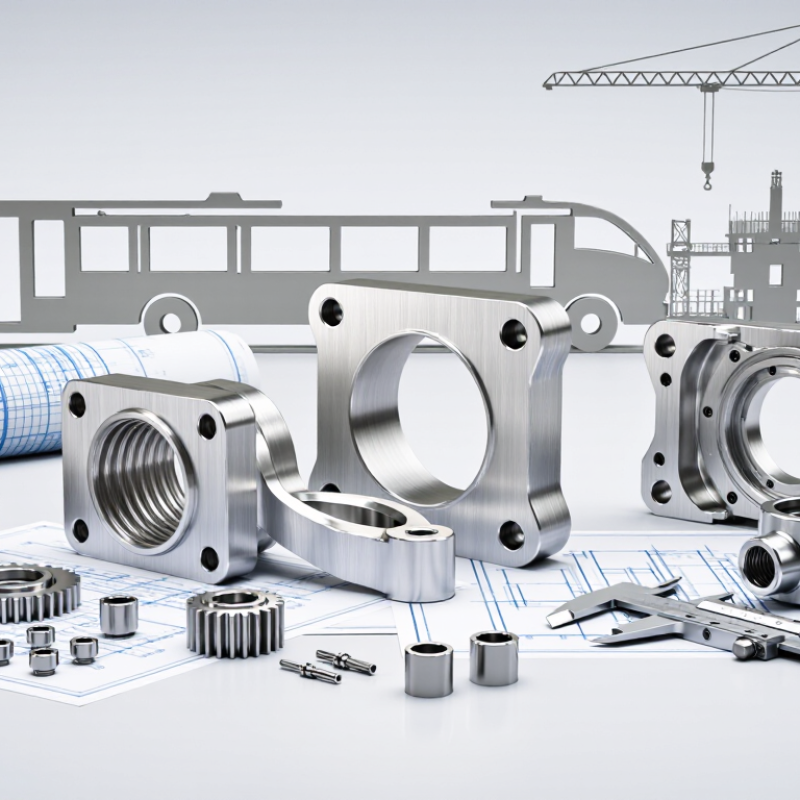
Aluminum CNC parts are components machined from aluminum blocks, plates, tubes, or extrusions. CNC means computer numerical control. A digital drawing guides cutting tools with precise movements. Mills create holes, pockets, slots, and complex surfaces. Lathes produce accurate round parts. Engineers choose aluminum for its low weight, useful strength, corrosion resistance, and heat conductivity. These properties support housings, brackets, covers, frames, and machine fittings.
Global buyers often prefer aluminum CNC parts because they reduce shipping weight without sacrificing practical performance. CNC machining also supports repeatable production across different order quantities. A supplier can produce one prototype or several thousand matching components. Clear drawings, material certificates, inspection reports, and measured tolerances make international purchasing more reliable. Surface treatments can improve appearance and protection. Anodizing is common, but it is not suitable for every design.
The process is not flawless. A thin wall may bend during machining. Deep pockets can increase tool vibration and cost. Aluminum chips can also affect surface quality when cutting conditions are poorly controlled. I have seen simple drawings create avoidable delays because they lacked datums or tolerance details. Buyers should review corner radii, thread standards, finish requirements, and packaging conditions before production. Small corrections at this stage can prevent expensive rework. Still, even careful planning has limits. Material batches, inspection methods, and shipping conditions may produce slight differences between suppliers.
Which Aluminum Grades and CNC Processes Suit Different Part Requirements?
Aluminum CNC part selection starts with the load, finish, and production volume.
Grade 6061 offers balanced strength, corrosion resistance, and easy machining for brackets, housings, and fixtures. Grade 7075 delivers higher strength, but costs more and resists some finishing steps. Grade 5052 suits thin covers and formed panels, not heavily loaded shafts. Grade 2024 machines well, yet needs careful corrosion protection.
According to the USGS Mineral Commodity Summaries 2025, global primary aluminum production reached about 72 million metric tons in 2024. Supply scale matters, but traceability still matters more for critical parts.
The International Aluminium Institute reports that recycled aluminum uses about 95% less energy than primary aluminum. Scrap planning can reduce both waste and cost. Still, recycled content requires verified chemistry. Guesswork is risky.
Process choice should follow geometry.
Three-axis milling handles flat pockets and simple faces efficiently. Five-axis machining reduces setups for angled surfaces and complex aerospace-style components. CNC turning fits round pins, bushings, and threaded shafts. Tight tolerances need stable fixturing, sharp tools, and controlled inspection. Anodizing can improve surface durability, but it may slightly change dimensions.
Tips:
Specify the grade, temper, tolerance, surface finish, and inspection method. Request a material certificate. Test one sample before volume production. A perfect drawing cannot fix weak clamping. Review burrs, tool marks, and edge radii with the machinist.
How Should Buyers Evaluate Precision, Surface Finish, and Part Quality?
Global buyers should evaluate aluminum CNC parts through measurable evidence, not polished photographs. Precision begins with the drawing. Specify critical dimensions, datums, and tolerance zones clearly. ISO 286-1 provides the international basis for limits and fits. For ordinary milled features, ±0.05 mm may be reasonable, while tight bores often need controlled temperature and verified tooling.
Ask for a first-article inspection report, material certificate, and calibrated measurement records. The 2023 Smart Manufacturing and Operations Survey reported that 86% of manufacturing leaders expect smart manufacturing to drive competitiveness. That expectation should include traceable quality data, not only faster production. Do not accept “passed inspection” without sample size and equipment details. A CMM report is stronger than a handwritten checklist.
Surface finish needs equal attention. For many aluminum milled surfaces, Ra 1.6–3.2 μm is a practical starting range, but the drawing must control the requirement. ISO 21920-2 defines current parameters for profile surface texture measurement. Ask whether Ra was measured across the tool path or against it. The result can change. Check burrs under angled light, especially around cross-holes and thin walls. Also verify coating thickness after anodizing, because dimensions may shift.
One uncomfortable lesson remains. A bright surface can hide poor geometry. I have seen attractive parts fail because a thin wall warped during clamping. Buyers should review inspection results, packaging protection, and batch consistency before approving repeat orders. A small pilot batch often reveals more than a confident supplier promise.
2026 Best Aluminum CNC Parts for Global Buyers
How Should Buyers Evaluate Precision, Surface Finish, and Part Quality?
The chart compares commonly specified targets for aluminum CNC parts. Tighter dimensional tolerance and lower surface roughness indicate higher precision requirements. These reference values are typical engineering targets and may vary according to part geometry, alloy, machine capability, inspection method, and production volume.
What Manufacturing, Inspection, and Certification Standards Should Be Checked?
2026 Best Aluminum CNC Parts for Global Buyers?
Reliable aluminum CNC parts begin with a controlled manufacturing process. Confirm the alloy, temper, drawing revision, and dimensional tolerances before production. Common materials include 6061-T6 and 7075-T6, but their strength and corrosion behavior differ. Ask how the supplier controls tool wear, coolant contamination, burrs, and heat distortion. Machined edges should match the drawing, not a vague “standard finish.”
Inspection must be visible and repeatable. Request a first article inspection report with actual measurements, not only pass statements. Critical holes may need CMM inspection, while flatness and surface roughness require suitable instruments. Check thread gauges, coating thickness, color consistency, and packaging protection. Material certificates should identify the heat number and alloy condition. ISO 9001 certification supports process control, but it does not guarantee every part is accurate. That distinction matters.
Tips: Compare the inspection plan with your engineering drawing. Ask for calibrated equipment records and sample reports. Verify EN 10204 3.1 material documentation when traceability is important. For regulated markets, check applicable RoHS, REACH, or other local requirements before ordering. Define anodizing thickness and acceptance photos in writing. Small details prevent expensive returns.
A perfect checklist still misses something. I once saw a good dimensional report overlook damaged threads after packing. Final visual inspection deserves real attention.
Conclusion
Aluminum Cnc Parts are widely used by global buyers because they combine low weight, corrosion resistance, strength, and excellent machinability. The best choice depends on the application: different aluminum grades offer varying levels of strength, hardness, corrosion resistance, and workability, while CNC milling, turning, drilling, and multi-axis machining support different geometries and tolerance requirements. Buyers should match the material and process to the part’s function, operating environment, and production volume.
A reliable evaluation should cover dimensional accuracy, surface roughness, visual consistency, and functional testing. Buyers should also review manufacturing controls, inspection equipment, material traceability, quality records, and relevant certifications. To compare suppliers effectively, consider total cost rather than unit price alone, including tooling, finishing, packaging, shipping, and potential import expenses. Clear drawings, realistic lead-time commitments, responsive communication, secure packaging, and dependable logistics are essential for receiving consistent Aluminum Cnc Parts on schedule.
 HG Precision
